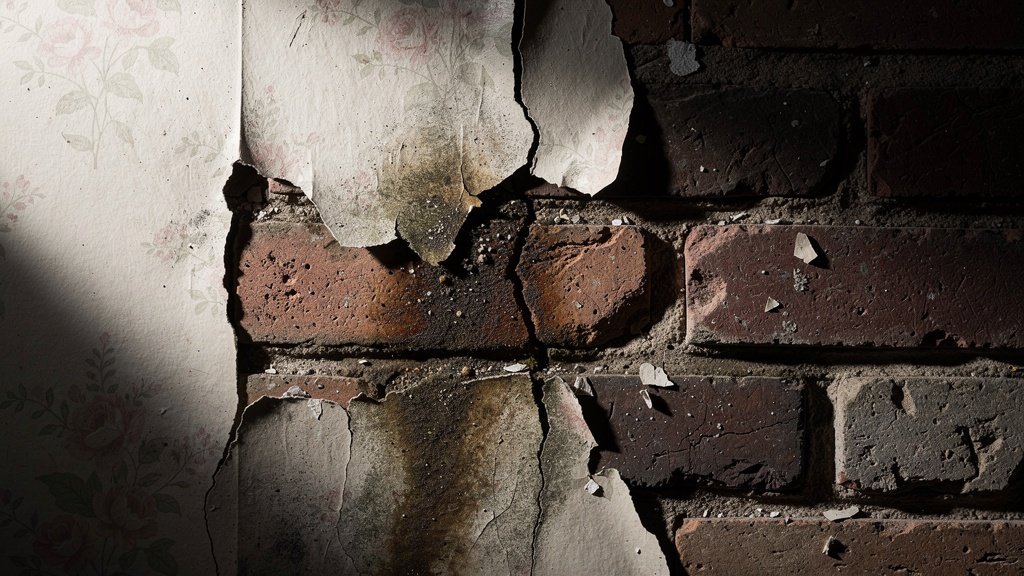
Ask any experienced building surveyor in East Sussex what they find most often in Victorian and Edwardian properties, and the answer is almost always the same: damp. It's everywhere. And yet it's also one of the most consistently misunderstood and misdiagnosed problems in the property world — frequently overtreated with expensive "solutions" that don't address the real cause.
This guide explains the different types of damp you're likely to encounter in period properties across Crowborough and East Sussex, how to tell them apart, and — crucially — what actually works to fix each one. Whether you're buying, selling or simply trying to understand a damp patch that appeared after heavy rain, this is the information you need.
Why Are Victorian Properties in East Sussex So Susceptible to Damp?
Victorian and Edwardian buildings were designed to breathe. The original mortar was lime-based — soft, permeable and able to absorb and release moisture naturally. The walls were solid masonry with no cavity. The floors were suspended timber over ventilated voids. The whole system worked by allowing moisture to move through the structure and evaporate harmlessly.
The problems started when well-meaning twentieth-century "improvements" disrupted this system:
- Lime mortar replaced with hard cement pointing, which traps moisture in the masonry rather than allowing it to evaporate
- Breathable lime plaster replaced with impermeable gypsum plaster or modern paint
- Air bricks blocked by raised garden levels or accumulated debris
- Slate damp-proof courses disrupted by raised external ground levels or bridging
- Original suspended floors replaced with concrete slabs without an adequate damp-proof membrane
Add to this the natural deterioration of materials over 100+ years, and you have a recipe for damp. Understanding which type you're dealing with is the essential first step.
The Three Types of Damp in Period Properties
1. Rising Damp
Rising damp occurs when groundwater rises through the masonry by capillary action — essentially, the wall draws moisture upwards from the ground. In Victorian properties, the original slate damp-proof course (a layer of slates built into the wall at low level) may have deteriorated, cracked or been bridged by raised external ground levels or internal flooring.
How to identify it: Rising damp typically affects the lower portion of walls, usually rising no higher than about one metre. You'll often see a distinctive tidemark — a horizontal line of salt staining or discolouration — at the upper extent of the moisture. The wall will test high for moisture at low level and reduce as you move higher. Paint or plaster may be bubbling, flaking or staining.
Important caveat: Rising damp is frequently misdiagnosed by damp-proofing companies with a commercial interest in selling chemical injection treatments. Before commissioning any treatment, get an independent opinion from a building surveyor. We've seen homeowners spend £3,000–£8,000 on chemical damp-proofing that was entirely unnecessary because the real problem was something else — usually penetrating damp or condensation.
2. Penetrating Damp
Penetrating damp occurs when water finds a path through the external envelope of the building — usually through defective pointing, cracks in render, failed flashings, blocked gutters, or deteriorated window frames. Unlike rising damp, it is not associated with the ground and can appear at any height on a wall.
How to identify it: Penetrating damp typically presents as isolated damp patches that appear or worsen after heavy rain. It is often localised — a wet patch below a window, a stain on a chimney breast, a damp area below a parapet gutter. The moisture reading is high at the affected area but may be normal elsewhere.
What to do: The fix for penetrating damp is almost always relatively straightforward — find and eliminate the source of water ingress. This might mean repointing a section of external wall, replacing a failed flashing, clearing a blocked gutter or renewing window seals. It does not require chemical injection or internal membrane systems. A good building surveyor will identify the source and recommend the right fix.
3. Condensation
Condensation is by far the most common form of dampness in residential properties — and by far the most frequently misdiagnosed as rising or penetrating damp. It occurs when warm, moist air contacts a cold surface and the moisture in the air condenses into water droplets. In Victorian properties, cold external walls, single-glazed windows and poor insulation create ideal conditions.
How to identify it: Condensation typically presents as black mould growth, particularly in corners, behind furniture and in poorly ventilated areas like bathrooms and kitchens. Unlike rising or penetrating damp, it tends to be most visible in winter and improve in summer. The walls will test moist at the surface but dry at depth.
What to do: Condensation is addressed through improved ventilation, heating and sometimes insulation — not by applying chemical treatments to walls. Fitting extractor fans, improving trickle ventilation, and ensuring rooms are adequately heated will resolve most condensation problems at a fraction of the cost of invasive damp-proofing treatments.
Damp in a Survey Report: What It Means for Your Purchase
If a building survey flags damp in a property you're buying, the right response depends on the type and severity:
Minor Condensation Issues
These are very common and generally not a major concern unless they've been left untreated long enough to cause timber decay or significant mould growth. We'd typically rate these Condition 2 (needs monitoring/minor attention) and recommend improved ventilation. This is unlikely to justify a price reduction but is worth noting for your post-purchase maintenance plan.
Localised Penetrating Damp
If the source is identifiable and the fix is simple (e.g., repoint a section of external wall, replace guttering), the repair cost is typically modest — perhaps £200–£800. We'd recommend getting a quote from a builder and using it to negotiate a corresponding reduction in the asking price.
Widespread Rising Damp
This is the most serious scenario, and the one where independent advice is most critical. If the damp-proof course has genuinely failed or been comprehensively bridged, the remediation options range from external ground-lowering and re-pointing (relatively modest cost) to chemical injection damp-proofing (more expensive) to internal tanking systems (expensive and only appropriate in specific circumstances). We'll recommend the most proportionate solution and give you a realistic cost range.
"The damp-proofing company quoted us £6,500 for a full chemical injection treatment before we'd even exchanged. Our surveyor looked at the same property and identified the problem as failed pointing and a bridged damp-proof course at the front of the house. The pointing cost £650 to repair. The total job, including lowering the garden bed, was under £1,200."
Red Flags to Watch For During Property Viewings
You don't need to be a building surveyor to spot the signs of potential damp during a property viewing. Here's what to look for:
- Fresh paint or new wallpaper in specific patches — this can indicate recent cosmetic concealment of a damp patch
- Strong musty or earthy smell — a classic sign of moisture and possible mould behind finishes
- Salt staining (white crystalline deposits) on walls — indicates moisture movement through masonry
- Soft, spongy or bouncing floorboards — may indicate failed sub-floor ventilation and timber decay
- Black mould in corners — almost always condensation, but worth understanding the extent
- Tidemarks on lower walls — classic sign of rising or penetrating damp
- Excessive condensation on windows during your visit — indicates poor ventilation
Getting Independent Damp Advice
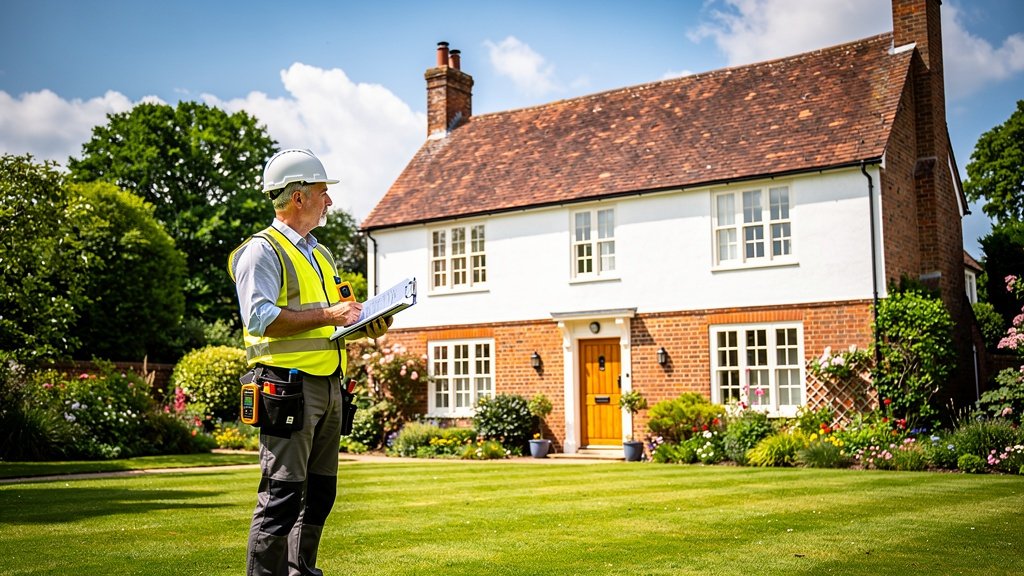
If you're buying a Victorian or Edwardian property and are concerned about damp, the most important thing you can do is get advice from a building surveyor who is entirely independent — not from a damp-proofing contractor who profits from selling treatments. Our Level 3 Building Survey will identify all damp-related defects, their causes and the most appropriate remedies. We'll give you honest, impartial advice with no commercial interest in the outcome.
Frequently Asked Questions About Damp
In most cases, yes — damp in a Victorian property is normal and manageable. The key is understanding the cause and the cost to fix it. Most damp problems in older properties have relatively straightforward remedies. What matters is that you know about it before you buy, understand what's involved and factor the cost into your negotiation. Don't walk away from a good property because of damp without getting independent advice first.
This depends entirely on the cause and extent of the damp. Fixing a blocked gutter might take a morning. Repointing and replastering an affected area might take a few days. Chemical injection works are typically completed in one to two days but require the property to dry out for 6–12 months before replastering. We'll give you realistic timescales for any work we identify in your survey.
Not necessarily. A chemical damp-proof course addresses rising damp specifically — it won't fix penetrating damp or condensation. And even for rising damp, the success of chemical injection depends on correct installation and the subsequent removal of contaminated plaster and replastering with a suitable mix. We'd always want to understand the full picture before recommending or endorsing any damp-proofing treatment.